
About

New here? Start Here gathers the essays, teachers and classes to begin with.

A Sublime Way

“An immoral man of learning is a great evil;
Yet a greater evil is an ignoramus leading a godly life.
Both are a great trial everywhere
To whomever clings to his religion.”

Imam Burhan al-Din al-Zarnuji cited the above lines of his poetry in his work, “Ta’lim Al-Muta’allim” (Instruction of the Student). A good reminder to all, especially to those who teach.

Shaykh Seraj Hasan Hendricks and Shaykh Dr Hisham, with Shaykh Ahmad Hasan Hendricks, cowrote “A Sublime Way: the Sufi Path of the Sages of Makka”, as a comprehensive exposition of the tariqa. This website went live following the book’s completion, and is under the supervision of Shaykh Dr Hisham and his students.

The teachers

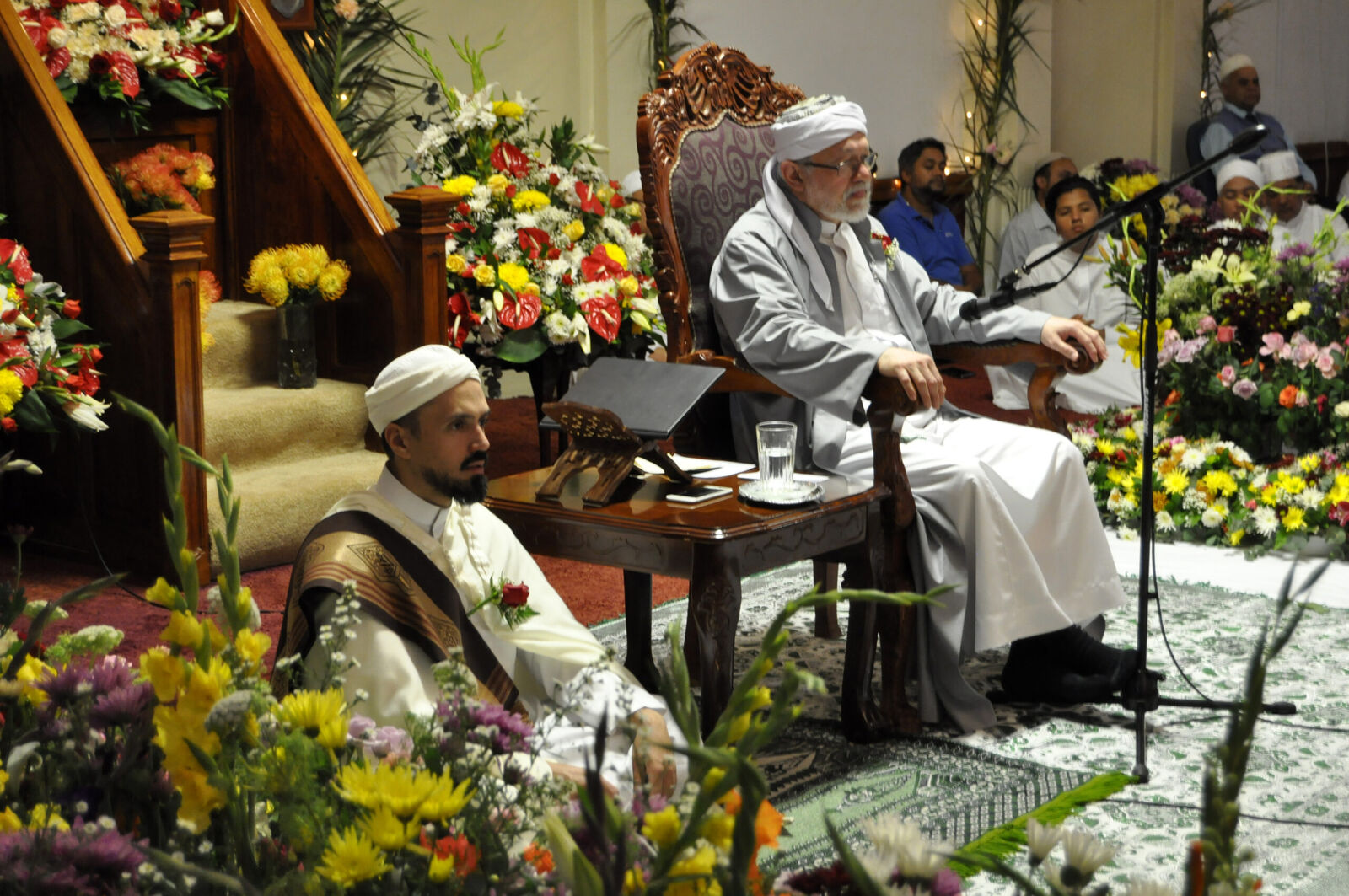
Shaykh Seraj Hendricks and Shaykh Dr Hisham at the Azzawia in Cape Town.

Shaykh Seraj Hasan Hendricks

A Concise Obituary of al-marhum al-‘allama Shaykh Seraj Hassan Hendricks
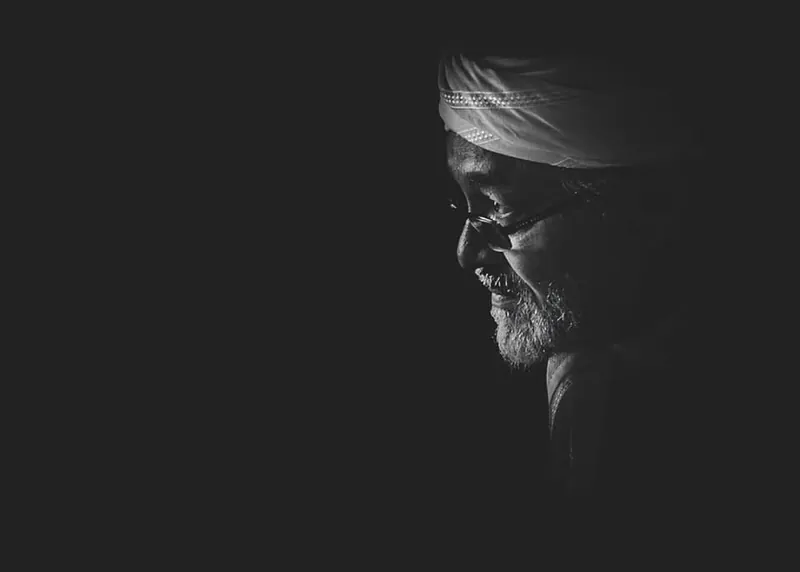
Shaykh Seraj Hendricks, in black and white.

In July 2020, Shaykh Seraj Hassan Hendricks of Azzawia Institute — one of South Africa’s greatest Muslim scholars — was laid to rest in Cape Town, having died on 9 July at the age of 64 from COVID-19 complications.

A scion of a distinguished scholarly family, Shaykh Seraj taught at Cape Town’s Azzawia Institute before travelling to Makka in 1983 to study at Umm al-Qura University, graduating with honours in fiqh and usul al-fiqh in 1992. Outside the university, he studied under the muhaddith of the Hijaz, Sayyid Muhammad b. Alawi al-Maliki, from whom he and his brother Shaykh Ahmad received full ijazas and khilafa. He subsequently completed an MA in Sufism at UNISA with distinction, and co-authored A Sublime Way: the Sufi Path of the Sages of Makka.

His positions included head of the Muslim Judicial Council’s Fatwa Committee, Dean of the Madina Institute, and lecturer at multiple universities. He was listed consecutively in the Muslim500 from 2009 to 2020. His scholarly interests ranged across fiqh, Sufism, Islamic civilisation, gender, and interfaith dialogue.

Shaykh Seraj was no quietist; active in the anti-apartheid struggle, he participated in the Purple Rain March of 1989, and was imprisoned for his opposition to the regime. He was equally committed to empowering women as religious figures in their own right.

Shaykh Seraj was a teacher to thousands and a pastoral presence to many more. The breadth of condolences following his passing — from the US to Turkey to the UAE to India and Indonesia — testified to the scope of his irreplaceable legacy.

[Extended versions of this were published in obituaries for Shaykh Seraj Hendricks in ‘ImanWire’ (USA publication) and TRT News (Turkish publication), with subsequent reprints elsewhere in the US, Indonesia and India. The author is Shaykh Dr Hisham. A more indepth set of articles on Shaykh Seraj Hendricks, his life, and his approach, is here.]

Shaykh Dr Hisham

Born to an English father who embraced Islam at Al-Azhar and an Egyptian mother of Prophetic ʿAbbāsī Sudanese and Ḥasanī Moroccan heritage, Shaykh Dr Hisham was shaped by the West and the Arab world in equal measure — and has never stopped moving between them. Trained in law and the social sciences at Sheffield and Warwick, and in the Islamic intellectual tradition across the Arab world and Southeast Asia, he was invested by Shaykh Seraj Hendricks with the traditional licensure (ijaza) in the Islamic sciences and permission in tariqa. A professor of Islamic thought at Bayan Graduate School, his career has spanned the universities of Cambridge and Harvard, as well as research institutes such as Brookings and Carnegie. He continues to divide his time between the West and the Arab world, teaching, researching, and providing counsel to students and communities worldwide.

“We pray that you, Shaykh Dr Hisham, fulfill this additional trust (amana) of being connected to this historic institution; and we ask that God grants you aid and support.” [Shaykh Seraj Hendricks in his letter of appointment of ‘senior scholar’ of the renowned Azzawia Institute, and confirming his duty of muqaddam in the tariqa]

The path

Qādirī-Shādhulī, drawing on the Ṭarīqa of the ʿUlamāʾ of Makka.